How to Choose a Cold Room for Food Storage
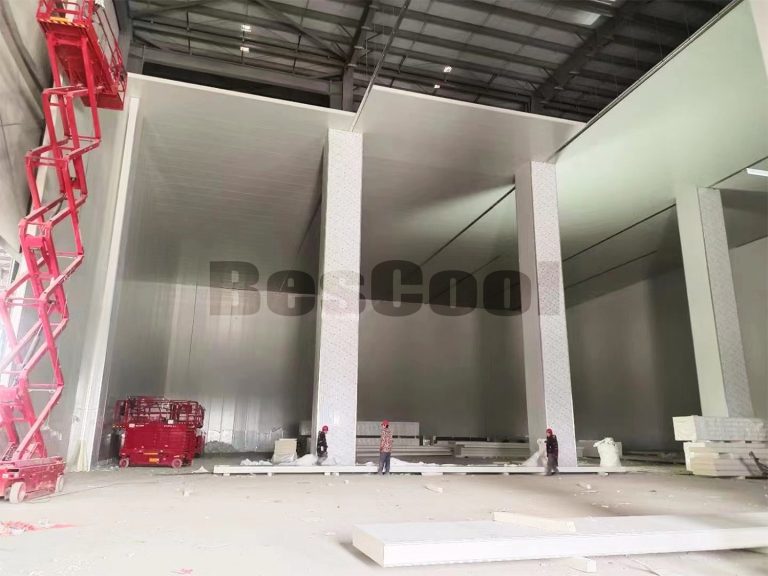
A cold room for food storage is not only a box with insulated panels. It is a complete refrigeration system designed around the product, storage temperature, room size, door opening frequency, loading volume, and local climate. If the system is too small, the room may struggle to keep temperature. If the system is oversized or poorly designed, energy cost and equipment wear can increase.
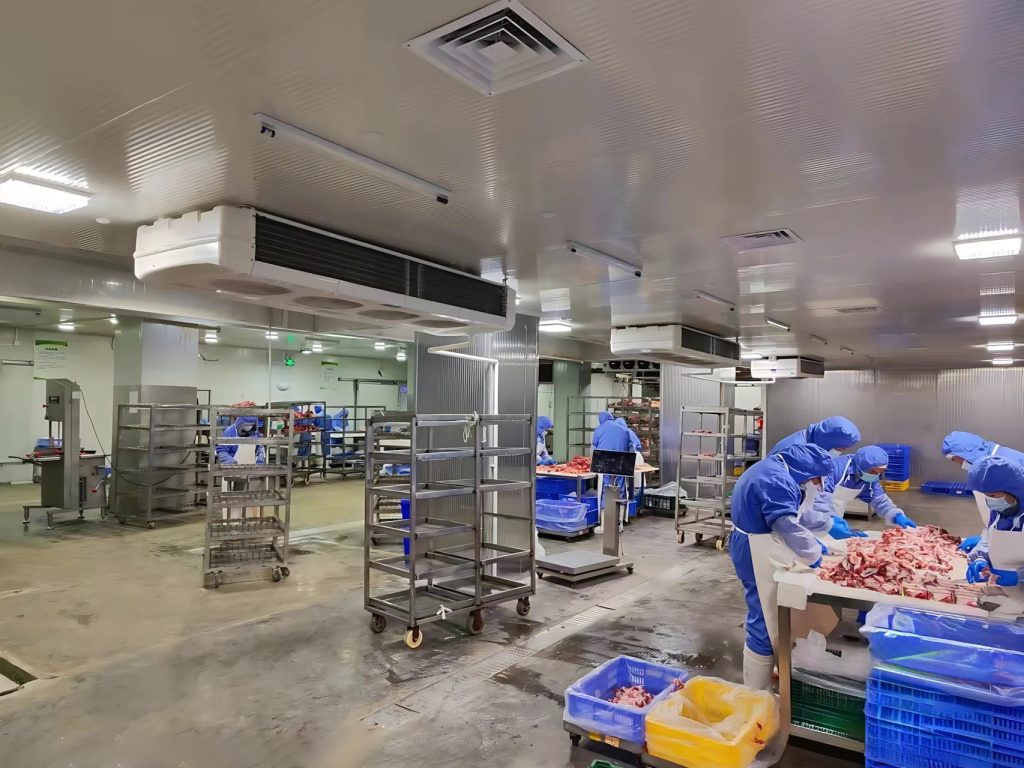
For restaurants, supermarkets, food factories, warehouses, and cold chain logistics projects, choosing the right cold room helps protect food quality, reduce waste, and keep the storage process more stable.
This guide explains the key points you should confirm before buying a food storage cold room.
1. Confirm the Food Storage Temperature
The first step is to define the temperature range. Different food products need different storage conditions.
For chilled food, many food safety guidelines focus on keeping cold food at safe low temperatures. The FDA Food Code uses 41°F, about 5°C, as an important cold holding reference for time and temperature control foods. USDA food safety guidance also discusses keeping refrigerated food around 40°F, about 4°C, or below for safety management.
For frozen food, USDA and FoodSafety.gov guidance commonly reference 0°F, about -18°C, for freezer storage. ASHRAE refrigeration guidance also notes that many frozen food products are stored around 0 to -30°F, about -18 to -35°C, depending on the product and storage purpose.
Common cold room temperature ranges include:
| Application | Typical Temperature Range |
|---|---|
| Fruit and vegetables | 0°C to 10°C, depending on product |
| Dairy and fresh food | 0°C to 5°C |
| Meat and seafood chilled storage | -2°C to 2°C |
| Frozen food storage | -18°C to -25°C |
| Low-temperature freezer room | -30°C to -40°C |
Before requesting a quotation, list the exact product type and target temperature. This helps the supplier match the correct insulation panel thickness, evaporator, condensing unit, and control system.
2. Calculate the Cold Room Size
Cold room size depends on storage volume, product packaging, aisle space, and loading method.
When planning the room, consider:
- Maximum storage quantity
- Pallet size or shelf layout
- Product turnover per day
- Space for workers and trolleys
- Door opening direction
- Future expansion needs
A common mistake is designing only for today’s storage quantity. If the business grows, the room may become too small quickly. For commercial and industrial food storage, it is usually better to plan a little extra capacity instead of filling the room completely from the beginning.
However, a larger room also needs a larger refrigeration load. The final room size should balance storage demand, floor space, and operating cost.
3. Choose the Right Insulation Panel Thickness
Insulation panels reduce heat transfer from outside to inside the cold room. The lower the room temperature, the thicker the panel usually needs to be.
Typical panel thickness choices:
| Room Type | Common Panel Thickness |
|---|---|
| Chiller room | 75mm or 100mm |
| Freezer room | 100mm or 120mm |
| Low-temperature freezer | 150mm or customized |
PU or PIR sandwich panels are widely used in modular cold rooms because they offer good insulation performance and quick installation. Panel thickness should be selected according to temperature, room size, ambient temperature, and project budget.
For food storage projects in hot climates, better insulation can reduce compressor workload and improve long-term energy performance.
4. Match the Refrigeration Unit Correctly
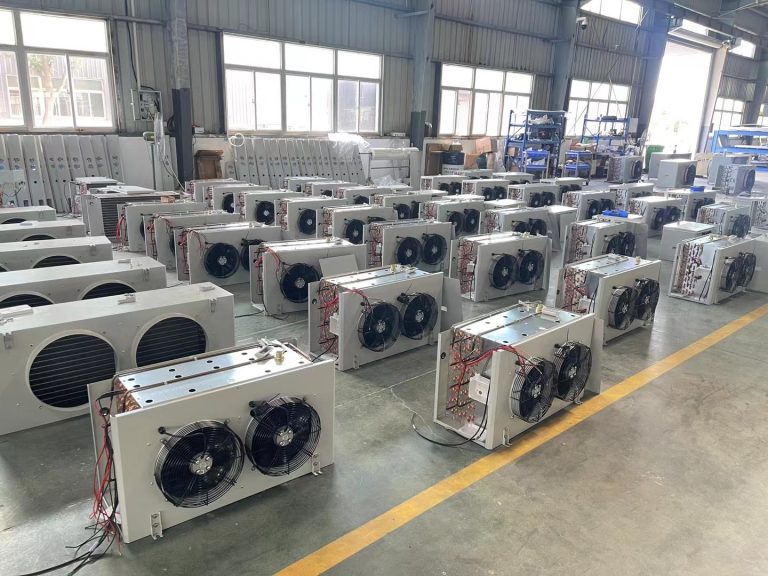
A cold room needs a matched refrigeration system. The main equipment usually includes:
- Condensing unit
- Evaporator or unit cooler
- Expansion valve
- Temperature controller
- Defrost system
- Electrical control panel
- Refrigerant piping and accessories
The condensing unit should be selected according to room temperature, cooling load, ambient temperature, and refrigerant type. The evaporator should provide suitable airflow for the stored product. Too much air speed may dry some products, while too little airflow may cause uneven temperature.
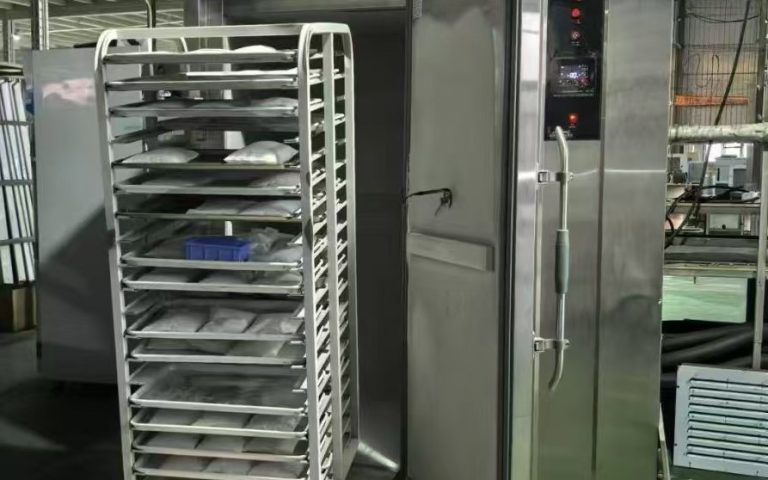
For fresh food, stable temperature and humidity control are important. For frozen food, freezing load and defrost performance are more critical.
If you are not sure how to size the system, prepare these details for the supplier:
- Room length, width, and height
- Target temperature
- Product type
- Product loading temperature
- Daily loading quantity
- Door opening frequency
- Installation country and ambient temperature
With this information, the supplier can calculate a more suitable refrigeration solution.
5. Select the Door Type and Opening Method
Cold room doors affect temperature stability and daily operation. The most common options are hinged doors and sliding doors.
Hinged doors are suitable for small and medium cold rooms. They are simple, cost-effective, and easy to use.
Sliding doors are often used for larger rooms, forklift access, and logistics projects. They save space and are easier for frequent loading and unloading.
For food storage, you may also need:
- Door heater for freezer rooms
- Emergency release inside the room
- Door curtain or air curtain
- Stainless steel protection plate
- Ramp for trolley or pallet access
Door opening frequency has a direct impact on refrigeration load. If the door opens often, the room may need stronger cooling capacity or better air control.
6. Plan Drainage, Defrost, and Floor Details
For freezer rooms and high-humidity applications, defrost and drainage design are important. Ice buildup on the evaporator reduces heat exchange efficiency and may affect temperature stability.
Common defrost methods include electric defrost, hot gas defrost, and air defrost, depending on temperature range and system type.
Floor design should also match the application. For small cold rooms, insulated floor panels may be enough. For forklift traffic or heavy loads, reinforced concrete floor insulation may be required.
Before installation, confirm:
- Floor load requirement
- Drainage direction
- Anti-slip surface
- Freezer floor heating if needed
- Easy cleaning design for food storage
Good floor and drainage design can reduce maintenance problems later.
7. Consider Energy Saving From the Beginning
Cold rooms run for long hours, so energy cost matters. Energy-saving design is not only about choosing a good compressor. It is the result of the whole system.
Useful energy-saving measures include:
- Correct room size and refrigeration capacity
- Proper panel thickness
- High-efficiency condensing unit
- LED cold room lighting
- Good door sealing
- Door curtain for frequent access
- Smart temperature control
- Regular evaporator cleaning
If the cold room is used every day, a slightly higher initial investment in better insulation and efficient equipment may reduce total operating cost over time.
8. Choose a Supplier That Can Support Custom Projects
Food storage cold rooms often need customization. A good supplier should not only sell panels or refrigeration units separately. They should understand the full project.
When choosing a cold room supplier, check whether they can provide:
- Room layout design
- Refrigeration equipment matching
- Panel and door customization
- Export packing
- Installation drawings
- Electrical wiring guidance
- After-sales technical support
For overseas projects, documentation and remote support are especially important. Clear drawings, packing lists, and installation guidance can help reduce installation mistakes.
Final Checklist Before Buying a Cold Room
Before requesting a quotation, prepare this checklist:
- Product type
- Target storage temperature
- Room size
- Daily loading quantity
- Product loading temperature
- Door type
- Power supply
- Destination country
- Indoor or outdoor installation
- Any special food safety or cleaning requirements
The more complete your information is, the more accurate the cold room quotation will be.
Need a Custom Food Storage Cold Room?
BesCool manufactures modular cold rooms, freezer rooms, condensing units, evaporators, and complete refrigeration systems for global food storage and cold chain projects.
If you need a custom cold room for food storage, logistics, supermarket, restaurant, or food processing use, contact BesCool with your room size, temperature requirement, product type, and destination country. Our engineering team will help prepare a suitable refrigeration solution.
Contact BesCool for a custom refrigeration quote:https://www.bescoolcn.com/contact/